19 October 2026
Why Tamper-Resistant Rodent Stations Are a Must for Effective Pest Control
Presented by @tamperresistantrodentspot
Understanding the Role of Rodent Bait Stations in Pest Control
Rodents are persistent. They squeeze through gaps the size of a dime, gnaw through soft concrete, and breed faster than most people realize. In Cleveland TN, where homes and businesses sit close to wooded areas and water sources, mice and rats find plenty of cover and food. That is why professional pest control relies on more than just a bait block tossed under the deck. The equipment matters just as much as the product inside it.
Rodent bait stations have been around for decades, but the design has changed significantly. Early versions were simple plastic boxes that held poison and hoped for the best. Today, the industry demands better. That is where tamper-resistant rodent stations come into play. They are not just a container. They are a system built around safety, durability, and long-term control.
What Makes a Station Tamper-Resistant?
The term "tamper-resistant" gets thrown around a lot in pest control, but it has a specific meaning. A tamper-resistant station is designed so that children, pets, and non-target wildlife cannot open it or access the bait inside. That usually means a key-lock mechanism or a child-resistant latch. You need a tool or a specific motion to open the lid. Just snapping a lid shut is not enough.
Tamper-resistant rodent stations are built from heavy-duty plastic that withstands weather, UV rays, and the occasional beating from a lawn mower. They are weatherproof, which matters when you place them outdoors in rain, snow, or direct sun. A station that cracks after a season leaves bait exposed and defeats the whole purpose. Professional-grade stations hold up for years.
Outdoor Stations vs. Indoor Stations: Knowing the Difference
Not all stations work everywhere. Outdoor stations are larger, heavier, and designed to stay put. They often have a stake-down system or interior baffles that keep the bait block dry even in heavy rain. Indoor stations are smaller, lower profile, and meant to slide under appliances or along baseboards. Both types need to be tamper-resistant, but the construction differs.
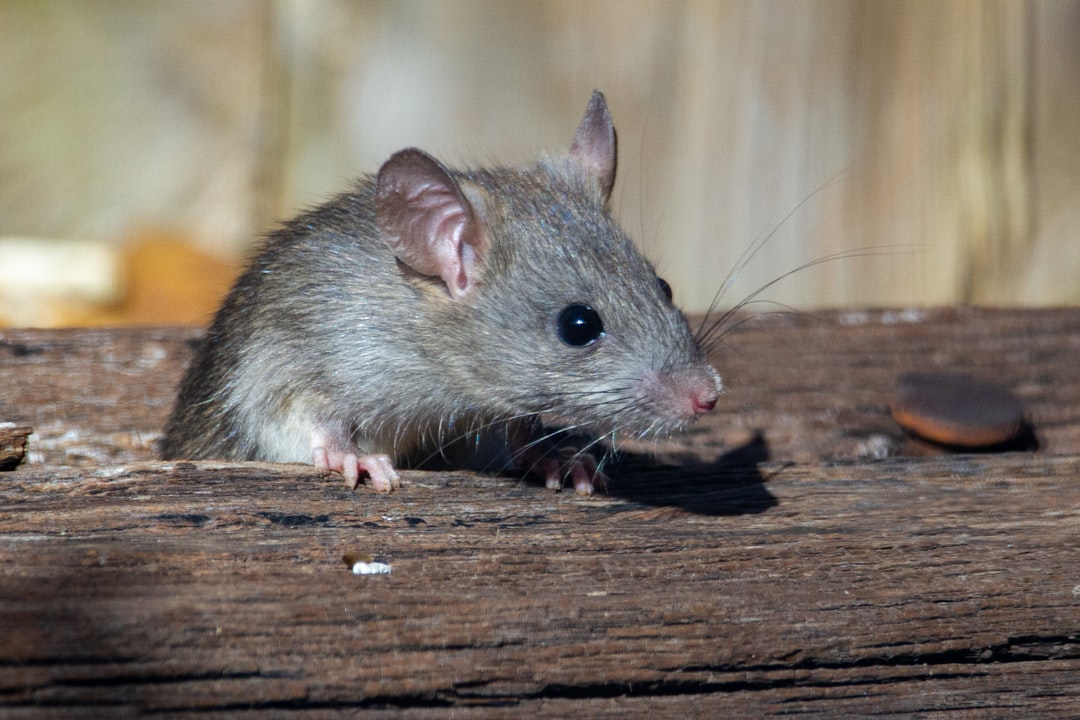
For outdoor stations, the main challenge is the environment. Moisture ruins rodenticide quickly. A weatherproof station with a tight seal keeps the bait block fresh and attractive to rodents. Indoor stations face different issues, like dust and foot traffic. But the safety requirement is the same: no one but the pest control technician should be able to open it.
When I worked a job in Cleveland TN a few years back, a homeowner had been using an old, non-locking station under their porch. A raccoon had pripped it open and scattered bait across the yard. That is a liability no one wants. Switching to tamper-resistant rodent stations solved the problem immediately. The raccoon could not get in, and the rodent population dropped within two weeks.
Bait Selection: Rodenticide vs. Non-Toxic Options
What goes inside the station matters just as much as the station itself. Rodenticide comes in several forms, but bait blocks are the most common for stations. They are solid, easy to secure on an interior rod, and less likely to crumble. Some stations also accept snap traps, which is useful when you want to avoid poison altogether.
Non-toxic bait is gaining traction, especially in homes with pets or near schools. These baits use food-based attractants that cause dehydration or block digestion without secondary poisoning. They are not as fast as rodenticide, but they offer a safer alternative. The station still needs to be tamper-resistant, because even non-toxic bait can attract curious hands.
Integrated pest management, or IPM, encourages a layered approach. You use bait stations for monitoring and control, but you also seal entry points and remove food sources. Tamper-resistant rodent stations fit into IPM because they allow you to check activity without leaving poison exposed. You open the station, note whether the bait has been fed on, and adjust your strategy.
Exclusion: The Other Half of the Equation
Stations alone will not stop a rodent problem forever. If you put out bait but leave the holes open, new rats will keep moving in. That is where exclusion comes in. Exclusion means identifying every entry point around a structure and sealing it with materials that rodents cannot chew through, like steel wool, copper mesh, or metal flashing. Structural repairs are often needed to fix gaps around pipes, vents, and foundations.
In Cleveland TN, older homes have plenty of gaps. Foundation cracks, loose siding, and uncapped attic vents are common. A thorough inspection finds these spots, and then the real work begins. Caulking and patching is not enough if the material is soft. Rodents will gnaw through expanding foam in a single night. You need hardware cloth or metal kick plates in high-traffic areas.
Once exclusion is done, tamper-resistant rodent stations serve as a second line of defense. They catch any rodent that slipped through before the repairs were finished, and they provide ongoing monitoring. If you see fresh droppings near a station but no feeding activity, you know there is a new entry point somewhere. That feedback loop is invaluable.
Why Hiwassee Pest Control Emphasizes Tamper-Resistant Stations
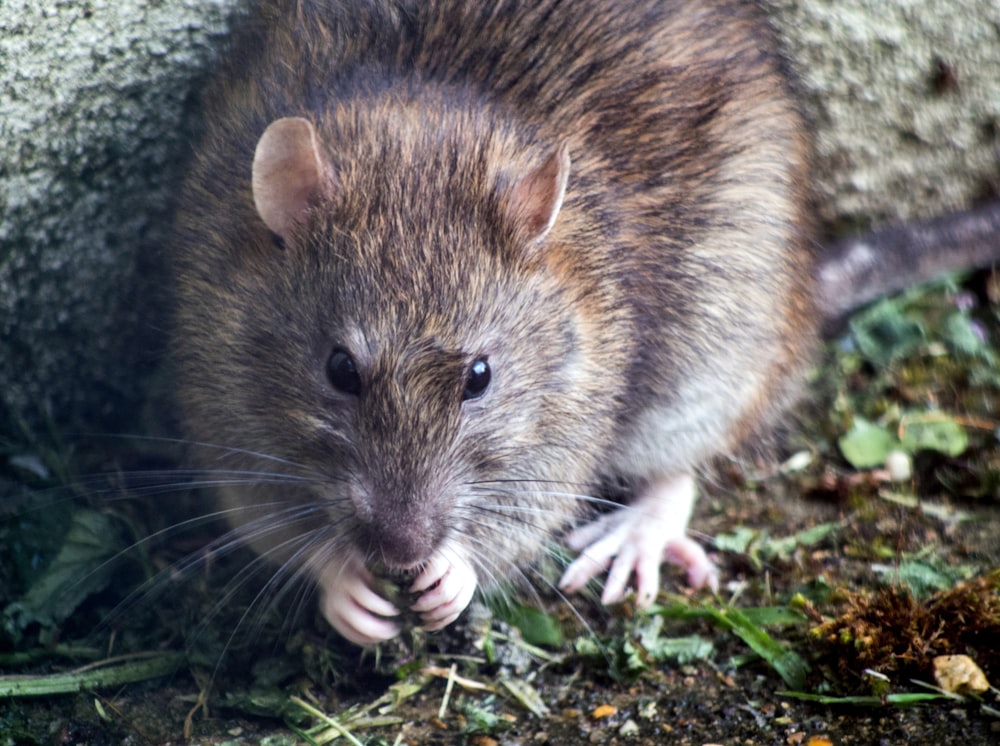
Hiwassee Pest Control, based in Cleveland TN, focuses on rodent control and exclusion services. They use trapping, entry point identification, and structural repairs to prevent reinfestation. Their approach is methodical. They do not just drop bait and leave. They assess the property, choose the right stations, and return to check them regularly.
Tamper-resistant rodent stations are a core part of their toolkit. The stations are placed along walls, near known runways, and in areas where rodents are likely to travel. Each station is locked with a key-lock that only the technician can open. This prevents accidental exposure and keeps children and pets safe. It also stops non-target animals from accessing the bait.
One thing I have learned over the years is that no two properties are the same. A commercial kitchen has different needs than a residential garage. The station placement, bait type, and monitoring schedule all vary. But the constant is safety. Every station needs to be tamper-resistant, and every technician needs to know how to use it correctly.
Practical Tips for Homeowners
If you are dealing with rodents, start with a walk-around inspection. Look for holes, chew marks, and droppings. Pay attention to corners, under sinks, and along baseboards. Once you understand where rodents are active, you can decide where to place stations.
- Place outdoor stations along foundation walls, near known burrows, or around garbage areas. Stake them down if possible.
- Use indoor stations in crawl spaces, basements, and garages. Keep them flush against a wall so rodents run into them naturally.
- Check stations every two weeks. Replace bait that looks moldy or has been eaten. Record what you see.
- Never place bait stations where children or pets can reach them, even if the station is tamper-resistant. Locking mechanisms can fail over time.
- Combine stations with exclusion. Seal every gap larger than a quarter-inch. Use materials that rodents cannot chew through.
These steps are not complicated, but they require consistency. Rodent control is not a one-time fix. It is ongoing maintenance, especially in areas like Cleveland TN where the climate and landscape support high rodent populations.
The Long View: Preventing Reinfestation
Reinfestation is the biggest frustration for homeowners. You clear out the rats, patch the holes, and think the problem is solved. Then three months later, you hear scratching in the attic again. That happens when exclusion is incomplete or when stations are removed too soon.
Tamper-resistant rodent stations should stay in place year-round, even if you stop seeing activity. Rodents are opportunistic. A new colony can move in overnight if conditions are right. Keeping stations active acts as a deterrent and a warning system. If you ever see fresh feeding, you know something has changed.

Structural repairs also need to be maintained. Weather, settling, and general wear can open new gaps. A yearly inspection by a professional, like the team at Hiwassee Pest Control, catches these issues early. It is cheaper to fix a small gap than to deal with a full-blown infestation.
Final Thoughts
Rodent control is not glamorous work, but it matters. A well-placed tamper-resistant rodent station can mean the difference between a quick resolution and a drawn-out battle. The stations protect the people and pets in the building while still delivering the bait effectively. They are a simple tool with a big impact.
If you are in Cleveland TN and dealing with rodents, take the time to choose the right equipment. Look for stations that are weatherproof, have a secure key-lock, and are made from heavy-duty plastic. Pair them with a bait block that matches your situation, and do not forget about exclusion. That combination will give you the best chance of keeping rodents out for good.